Overview
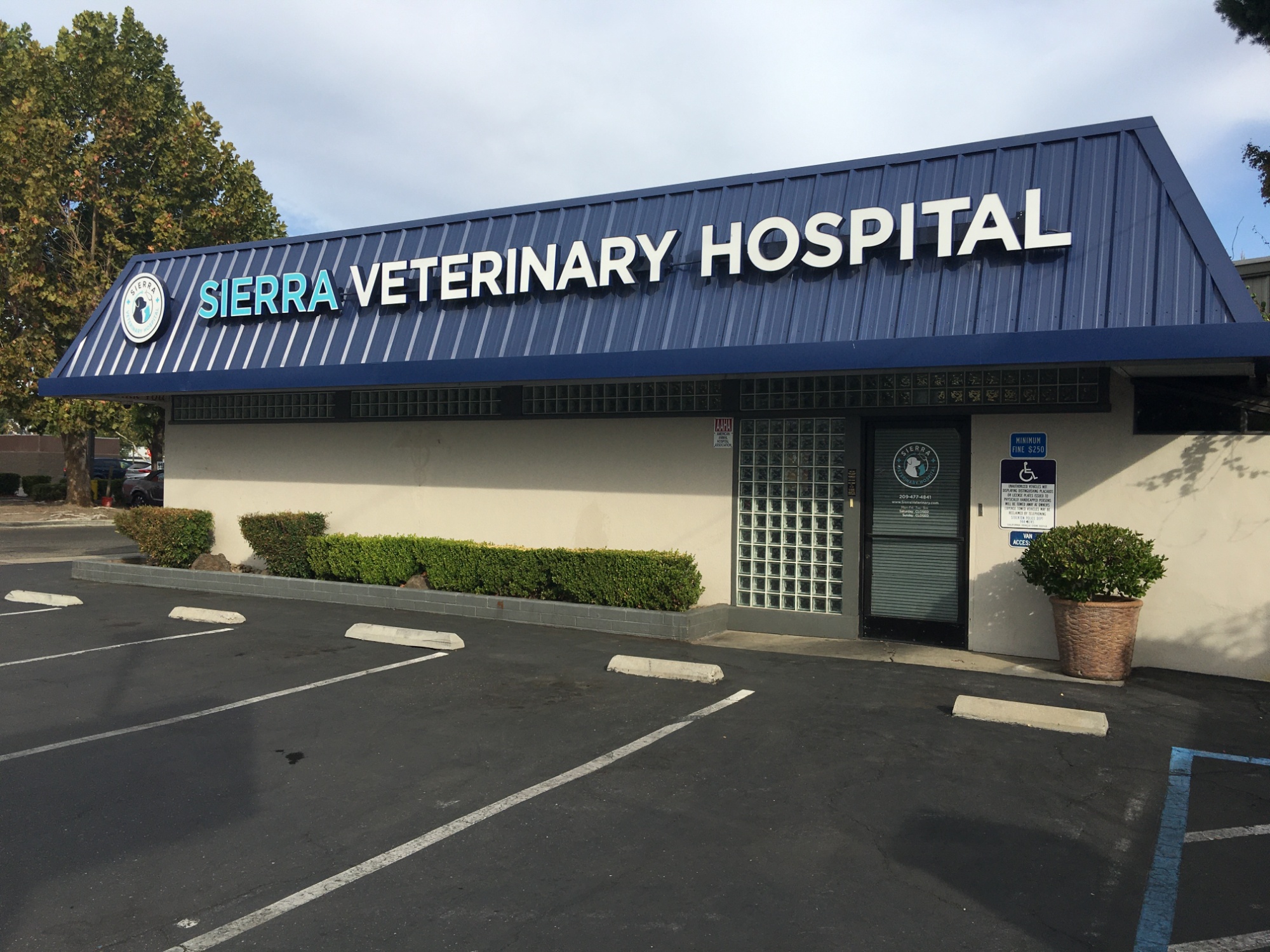
Welcome to Sierra Veterinary Hospital, your local veterinarians in Stockton, CA. Providing quality pet care since 1958, Sierra Veterinary Hospital is proud to offer Stockton’s most advanced veterinary care and grooming facilities for our patients. Our team of doctors, technicians, and support staff utilize the latest advances in veterinary medical technology to provide a lifetime of love and care for your pets.
Requirements
The veterinary technician is the veterinarian’s primary medical support. They begin the examination procedure and continue to assist the doctor throughout the examination, diagnosis, and treatment phases. They aide the veterinarians in achieving greater efficiency by relieving them of technical work and administrative detail. They have a very significant role in communicating with and educating clients about their pets. Registered Veterinary Technician (RVT) desirable. Previous on the job training required when not an RVT. Essential Duties and Responsibilities: · Can provide compassionate care to patients and clients. · Can conduct oneself in a confident and professional manner even when stressed and/or focused on individual tasks. · Can legibly keep accurate medical records in accordance with hospital policy. · Can prepare and maintain the exam rooms and treatment areas. · Can perform physical assessments; record observations legibly in files or computers. · Can effectively restrain pets even when large or difficult. · Understands all common vaccinations and vaccination protocols and can explain to clients. · Understands the importance of a clean and orderly facility that does not hesitate to clean or organize as part of normal job duty. · Maintains positive, cooperative relationships with other employees. · Gives SQ, IM, and IV injections. · Can handle client’s medical questions with confidence and direct to veterinarians when appropriate. · Can prepare estimates for procedures and discuss financial commitments with clients supporting hospital financial policies. · Can explain the necessary follow-up and homecare instructions. · Understands usage, dosage, and common side-effects for commonly used prescription drugs and can readily explain them to the clients. · Can maintain an appropriate inventory of all medical supplies as determined by the inventory control system. · Can assist the veterinarian in medical, surgical, and dental procedures; prepares patients for surgery; administers anesthesia; monitor patients during surgery and recovery; administer fluids. · Can properly care for all surgical materials; keep the operating room properly stocked and prepared for surgery. · Can perform emergency procedures such as control of bleeding, resuscitation with oxygen, opening airways, and external cardiac massage. Can perform clinical laboratory procedures such as fecal flotation exams, heartworm checks, skin scrapings, urinalysis, and fungal cultures; draws blood for laboratory analysis; maintains a file of lab test results and ensures that test results are recorded in patient records. Can effectively position for and take radiographs. Can perform electrocardiograms. Can place IV catheters and properly care for them. Understands the use and care of IV pumps as well. Knows common disease states and can alert veterinarians when symptoms change or when concerns arise with hospitalized patients. Can prepare a patient and the machine for an ultrasound procedure. Can admit patients following hospital policy and doctors' written orders. Can discharge patients based on the veterinarian’s orders, ensuring that patients are well-groomed and in a medically appropriate state.